Why We Love Freestanding Wood Burning Stove (And You Should Also!)
Heat Your Home With a Freestanding Wood Burning Stove Warm your home with this wood stove, which is EPA-certified to meet emissions standards. It can handle logs that are up to 20 inches long and has a ceramic glass window to admire the fire. Unlike an insert, a freestanding stove doesn't require chimneys, making it easy to set up in any room. They can also deliver significant heating power on their own. Flexible Location The crackle of a wood burning fire creates a cozy atmosphere, while also providing radiant warmth to the walls, the hearth and furniture. It's a classic and has remained popular for centuries providing relaxation and comfort while helping you save money on high energy bills during the winter months. Modern wood stoves are more efficient because of their innovative design and advanced technology. They create closed systems that use less logs to produce more heat, and can be utilized as the primary or secondary heating source for your home. The most efficient models are compliant with EPA emission standards and consume up to 50 percent less fuel than traditional fireplaces. A freestanding wood stove can be installed within most homes and lets you enjoy the classic feel of a warm fire while decreasing your energy bills. You can find the ideal fit in a range of sizes and styles. Select a small, freestanding wood stove to create a warm atmosphere and as a supplement to your primary source of heating. Choose a moderate-sized wood stove to save money because it can be used to heat up to 2,000 square feet. There are larger stoves for homes that are even bigger. Some stoves can heat up to 3000 square feet. You can choose from a traditional freestanding wood stove direct vent gas wood burners or a pellet stove, which provide a variety of combinations of design, flexibility, and efficiency. Our hearth specialists will assist you in selecting the most suitable option for your home. A freestanding wood burning stove is a great way to heat the dining room, living room, or den. It can be set up in a masonry chimney or a pre-fabricated fireplace insert. Engaging a professional to install your stove is important so that it is safe and efficient, and also meets all local codes. This type of work should never be undertaken by a DIYer since there are numerous security concerns to be considered. Easy Installation Wood stoves can add an inviting, warm ambience to any space. They are available in different sizes to meet the heating requirements of a whole house. They comply with EPA standards and are an excellent alternative to traditional fireplaces which produce less heat, require much time to clean and suffer from poor air circulation. You can put free-standing stoves in an existing fireplace by using the right chimney liner. If you want a fast installation with a finished look, you should opt for the fireplace insert. Both options are economical and efficient. They can be used to warm zones in your home and provide a radiant heat that is comfortable. There is no gas stove or furnace comes close. You can find a model with blower motors that can push heated air into the room and enhance the distribution of heat. The blower will also help reduce smoke and make your home warmer by bringing in outside air and pushing out the indoor air. It is recommended to check with your local building or planning department for information on the fire safety regulations in your area prior to buying a freestanding wood burning stove. You may be required to obtain a permit in order to install your stove. It is also necessary to install a chimney or vent to ensure proper ventilation. The stove's manufacturer must have a clearance rating for the walls and floor around the stove that must be strictly adhered to. To avoid fire damage or burns, the clearance should be three feet away from combustible materials. Install a heat shield on the wall or furniture to prevent direct contact with the stove's surface. It is also important to familiarize the inhabitants of your home with fire safety procedures and regularly inspect your stove installation to ensure it's safe. Another consideration is the need to stock your home with a supply of wood that is seasoned. Click On this site that has been seasoned has a moisture level of less than 20% and is perfect for wood stoves. If you have too much moisture in the wood, it won't burn properly and could create a fire hazard. Variable Design A wood stove can bring the classic fireplace look to your home. They are available in a variety of designs and sizes that can match almost any decor while offering great heating power. They can be used either as the primary source of heat or an auxiliary stove. A large number of new wood stoves are EPA certified for emissions control and efficiency. Re-burn systems are employed to eliminate leftovers from the combustion process and provide a cleaner flame for long hours of warmth. Close combustion reduces the amount of smoke that is in the room, which helps keep your home warm for longer. Freestanding wood stoves are a great option for homeowners looking to update their existing hearth that is a masonry. They can be set up anywhere without chimneys, or requiring major structural changes. They are great for adding a fireplace to an existing house that does not have one. A freestanding woodstove is installed with a direct vent system or a traditional fireplace. Direct vent models utilize an exclusive two-wall venting system that brings in air from outside through the vent's outer wall, and then pushes exhaust fumes to escape through the vent's inner wall to ensure an efficient and tidy installation. This type of stove is not able to lose heat through air circulation and is easy to maintain. It's an excellent alternative to the fireplace. They are a bit more difficult to install but they are very effective in distributing heat through your home. They are often employed in conjunction with a blower to push heated air into areas that would otherwise be difficult to reach. They come with an adjustable thermostat as well as remote control options to provide comfort and convenience. If you're considering buying the purchase of a new wood-burning stove, consider the options available to satisfy your preferences and needs. Some stoves have a contemporary design, while others feature timeless Scandinavian style. RAIS also provides a range of accessories that will help you make your stove a truly distinctive part of your home decor. The smart multiboxes can be found for Nexo, Viva L, and Q-Be. They let you personalize the stove using different handles, colors, and create a custom storage system in your home. Efficient Heating 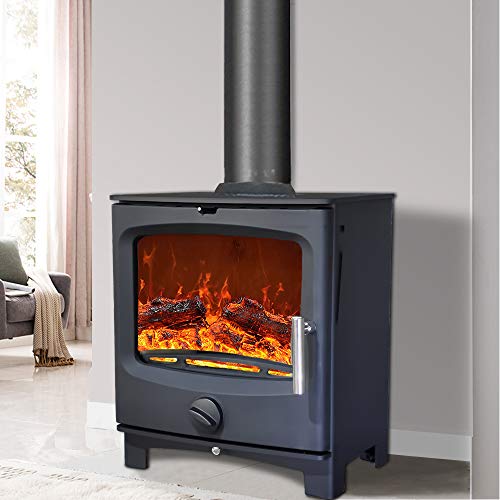 There's nothing like the radiant heat generated by a freestanding wood stove. This efficient heating appliance can heat up a large area without causing the house to blow up or wasting energy. The EPA-certified wood stoves are an effective source of heat. They have low emissions and high temperatures for combustion, which reduce ash and carbon monoxide. They are also a great choice when there is a burn ban because they are able to operate. They can be put in rooms in which a fireplace is difficult to heat. These stoves can be installed within basements and lower-level family rooms where heat will rise to heat a larger area. They can be used to heat smaller houses, if placed in a central spot where heat naturally rises through walls. The price of wood stoves is also lower than that of gas-powered stoves. Wood stoves come in a variety of sizes to suit the heating requirements of various areas. They are also built with efficiency as a priority. Certain models come with an app that lets you set and monitor your ideal temperature in your room and ensures that your wood-burning stove is always running at peak performance. Pellet stoves are a different option to wood-burning stoves. Instead of wood they use small hardwood pellets that are sold in 40-pound bags. large wood burning stove are stored in a hopper and fed by an electric auger. The stove is able to ignite the pellets using an internal fan that draws air for combustion and exhaust fumes are pushed outside through an exhaust device. The blower can also be shut off when the fire is burning on its own. This is a great option for those who don't want to utilize supplemental heating. Freestanding stoves and inserts can be efficient heating sources to provide additional heat however, they do not offer the same warmth as floor heating systems. They both require a power source to operate fans and other components that help distribute the heat. If you live in a region where power interruptions are frequent, it is best to choose a device that has backup electricity.